
Shopping Cart
Dashboard trim materials explained: automotive interior guide


Upgrading your Alfa Romeo Giulia 952's interior? The dashboard material selection—whether wood, leather, vinyl, carbon fiber, or composites—plays a crucial role in both visual appeal and daily comfort. This practical guide compares top automotive trim materials, breaks down key interior trim components, and covers installation basics, pricing, and maintenance to keep your investment looking showroom-fresh.
What materials are used for automotive interior trim
Today's interior designers choose interior trim materials from classic wood and premium leather to modern carbon fiber, ABS plastics, and advanced composites. Each car trim option undergoes rigorous testing for workability, strength, weight, heat resistance, and compliance with global safety standards—ensuring every automotive interior trim meets strict regulations. Engineers explore the complete guide to dashboard materials to perfectly balance performance, looks, and cost before finalizing any automotive trim selection.
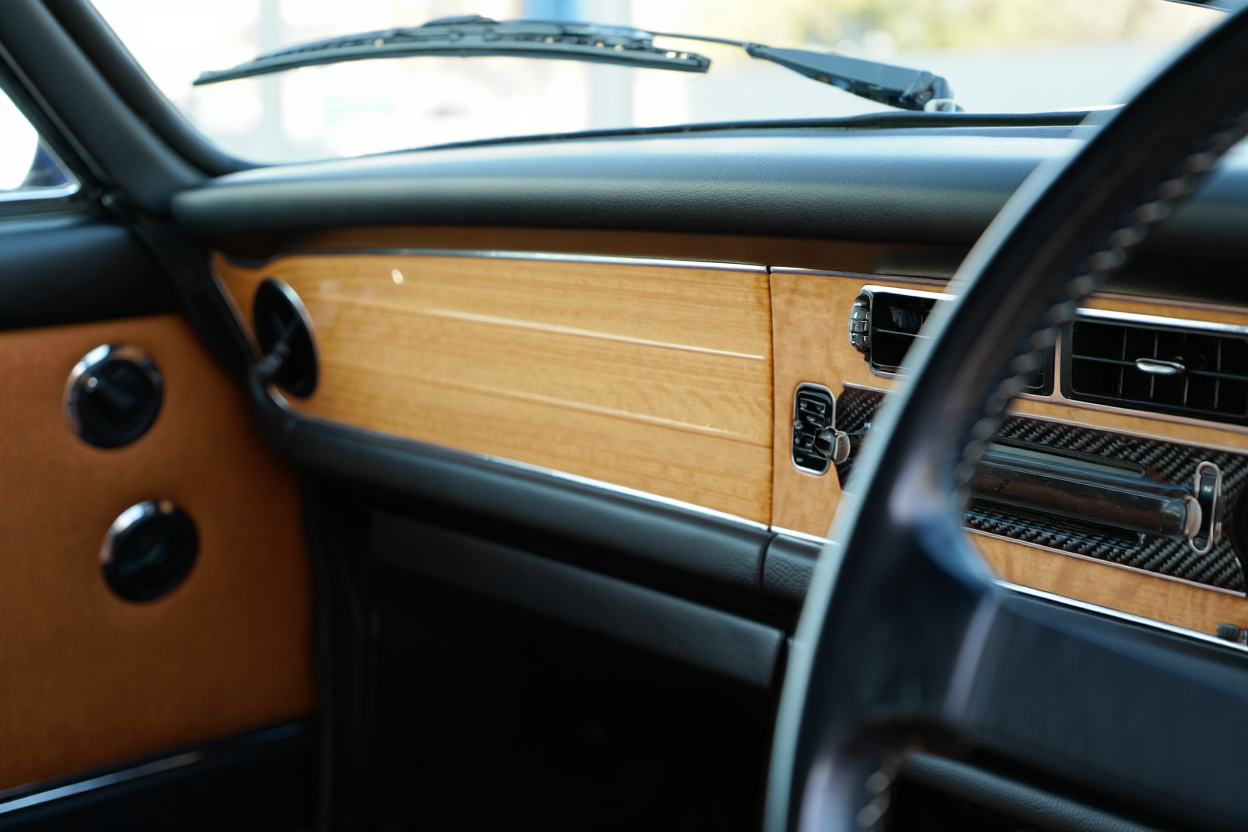
Wood veneer and natural materials for car trim
Premium 0.5–0.8mm hardwood veneers bond to ABS or MDF backers, delivering authentic wood grain without heavy solid wood weight. Walnut, oak, maple, and bamboo provide rich textures, lighter weight, and strong resale value—particularly appealing to eco-conscious buyers looking for sustainable automotive trim materials.
- UV-resistant coatings using clear polyurethane or acrylic prevent fading, keeping wood trim looking new with minimal maintenance for 7-10 years.
- Easy installation with automotive-grade adhesive tape allows for future removal without damaging original interior trim components.
- Eco-friendly options like reclaimed wood and bamboo reduce environmental impact compared to newly harvested hardwoods.
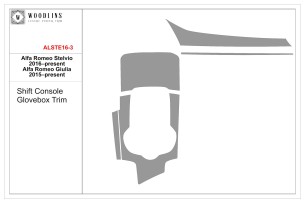
Standard Alfa Romeo upgrade kits typically include dashboard accents, glove box cover, gear shift surround, and door panel inserts—with veneer thickness precision-matched to OEM specifications to prevent rattles. Available finishes coordinate perfectly with existing leather trim or Alcantara upholstery throughout your vehicle interior.
Synthetic options: leather, vinyl and fabric alternatives
Genuine leather trim delivers luxury and natural heat insulation, though it needs regular conditioning to maintain its strength and prevent cracking. Automotive perforated leather improves airflow on high-contact areas like steering wheels, but requires protective treatments to prevent staining in its porous surface.
Vinyl and synthetic leather alternatives offer similar visual appeal at about one-third the cost, with exceptional UV resistance (500+ hours in testing) and virtually no maintenance needs. These practical automotive trim materials work particularly well for fleet vehicles or convertibles that face regular outdoor exposure.
Soft-touch materials like microfiber and suede enhance cabin acoustics by up to 5dB but absorb spills easily—so owners should consider their climate and cleaning preferences when choosing interior trim materials.
High-performance composites: carbon fiber and aluminum
Carbon fiber delivers unmatched strength-to-weight ratio—40-60% lighter than aluminum—while adding modern, technical aesthetic to any automotive interior. Its signature weave pattern pairs beautifully with glossy black plastics or matte metals, creating a look that emphasizes vehicle strength and performance.
Aluminum trim offers industrial-chic styling, excellent corrosion resistance, and dimensional stability across temperature extremes—though its high thermal conductivity can feel chilly in cold weather. Brushed or anodized finishes help minimize fingerprints and outlast many standard soft-touch plastics used in older automotive trim.
Advanced multilayer composites combine polymers with reinforcing fibers through specialized molding processes, allowing for precise, complex shapes that fit the Giulia 952's cockpit perfectly. These innovative interior trim components meet strict flammability, VOC, and odor standards while helping designers optimize cost, durability, and visual appeal throughout the automotive interior.
How to choose the best dashboard material
Selecting the ideal dashboard trim for your Giulia 952 involves balancing key factors like aesthetic appeal, durability, safety, and maintenance needs. The right choice reduces long-term costs while maintaining cabin strength through extreme temperatures—plus, it aligns with eco-friendly preferences. Ultimately, well-chosen automotive trim enhances both driving pleasure and resale value by harmonizing perfectly with your vehicle's interior.
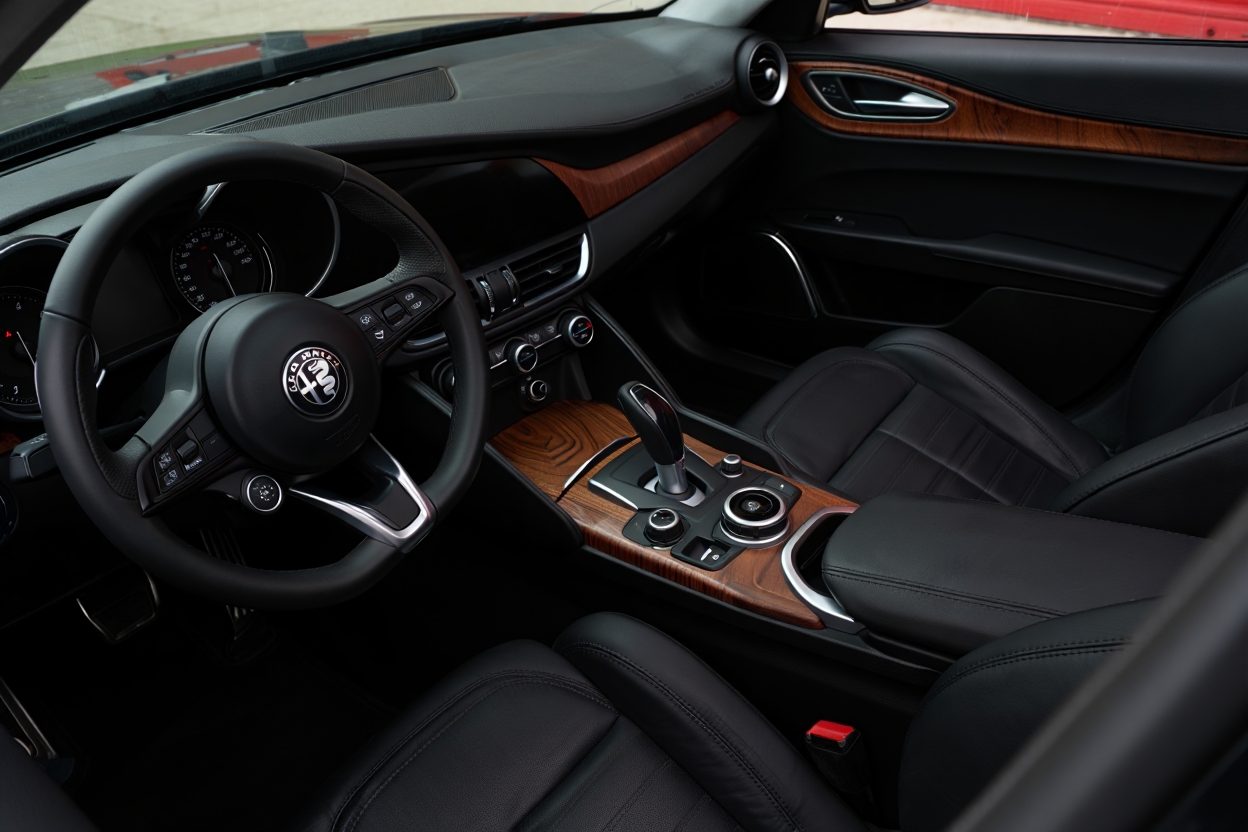
Matching trim materials to your interior design
Creating visual harmony starts with selecting wood tones and finishes that complement your car's leather upholstery and vinyl accents. Rich dark walnut pairs beautifully with black seats, while light oak enhances beige interiors for a fresh, inviting atmosphere. Since the Giulia 952 accommodates various car trim options, you can maintain design consistency across door panels, gear shifters, and glove compartments.
- Color coordination: Warm wood grain softens dark interiors, while sleek carbon fiber or metallic finishes emphasize a sporty character.
- Texture mixing: Combine smooth wood surfaces with textured leather for dimensional interest that prevents a flat appearance.
- Brand continuity: Custom wood pieces featuring laser-cut Alfa Romeo insignias preserve factory authenticity while adding personal flair.
Material costs vary significantly. Basic vinyl trim kits start around $50–150, making them budget-friendly. Mid-tier wood veneers typically cost $200–400, while premium carbon fiber or exotic wood installations can range from $300–800, especially when including professional fitting.
| Material Type | Cost Range | Durability Rating | Maintenance Level |
| Vinyl/Faux Leather | $50–150 | 7–10 years | Low (wipe clean) |
| Wood Veneer | $200–400 | 7–10 years | Medium (polish) |
| Carbon Fiber | $300–800 | 10+ years | Low (dry cloth) |
| Premium Leather | $250–600 | 5–7 years | High (conditioning) |
Durability and maintenance requirements for car interiors
Opt for automotive trim materials with UV-resistant coatings and heat-tolerant adhesives (rated 85–100°C) to ensure strength during seasonal extremes. Quality wood veneer withstands over 500 hours of sun exposure, while carbon fiber maintains its shape from –20°C to 80°C. This durability prevents warping, bubbling, or separation, keeping your automotive interior in top condition for years.
- Safety first: Ensure new car trim doesn't interfere with airbag deployment zones or electronic sensors.
- Chemical resistance: Premium automotive trim should endure common cleaners and accidental spills without staining or deterioration.
- Scratch protection: Treated wood and carbon fiber withstand daily wear better than standard plastic surfaces.
Maintenance varies by material: Apply leather conditioner every two months, clean vinyl with a damp cloth, and polish wood annually while resealing edges to protect against moisture. These simple steps extend your warranty coverage and preserve your investment beyond initial ownership.
Manufacturing and Customization of Automotive Trim Materials
Today's automotive factories produce interior trim parts with exact OEM specifications while offering extensive customization options. Advanced manufacturing technologies like two-shot injection molding and CNC routing maintain tight ±0.2 mm tolerances, ensuring flawless fitment. These processes accommodate both mass production and individual orders, allowing Alfa Romeo Giulia 952 owners to personalize their luxury car interior with premium wood finishes and durable ABS components.
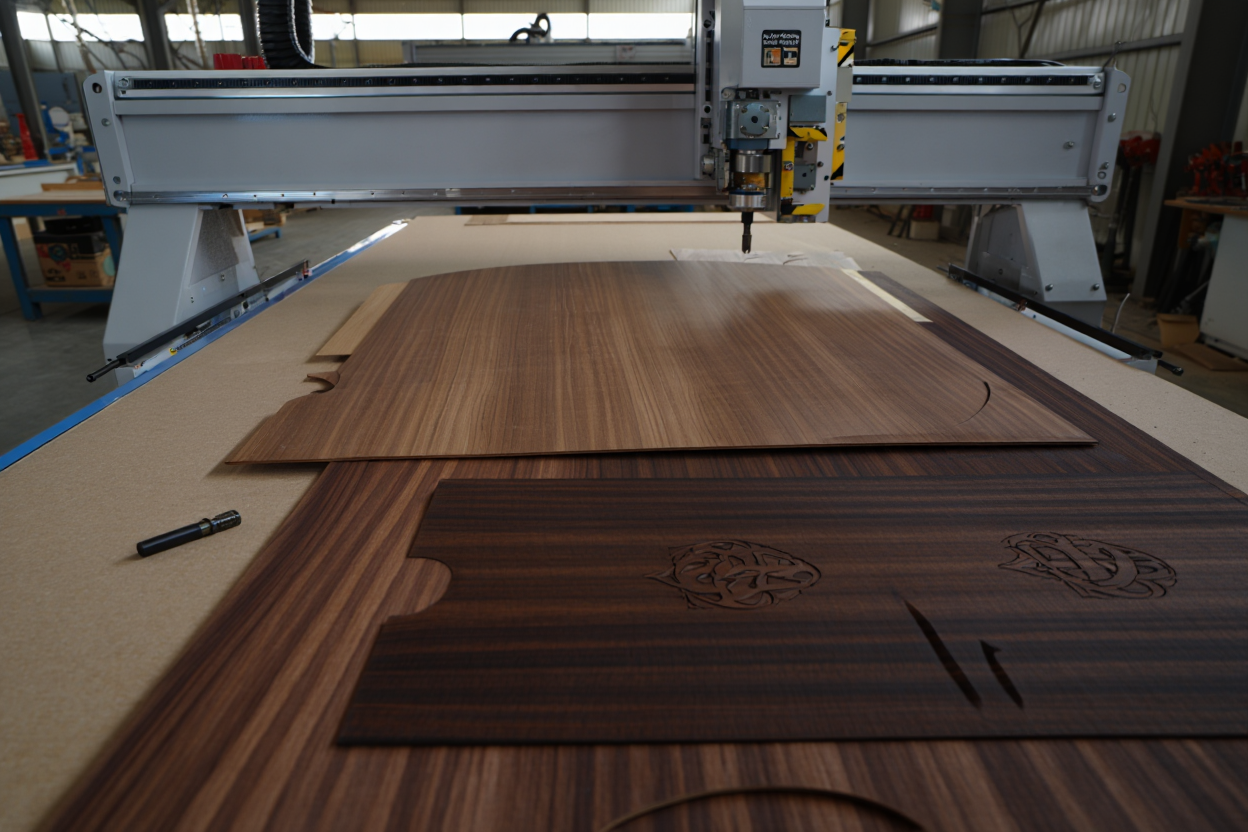
Production Techniques for Precision Interior Trim Parts
State-of-the-art two-shot molding creates sturdy ABS bases before seamlessly applying authentic wood veneers or decorative finishes in a single operation. This method prevents separation while maintaining original mounting points for dashboards, door panels, and gear shift surrounds. The resulting interior trim preserves structural strength while delivering showroom-worthy aesthetics with factory-grade precision.
- Advanced temperature control molding: Maintains uniform cooling across dashboard and door trim materials to prevent warping and ensure perfect panel alignment.
- Integrated molding decoration: Embeds logos and designs directly into the substrate before applying wood veneers, creating permanent, fade-resistant branding.
- Precision CNC machining: Crafts exact cutouts with ±0.2 mm accuracy for vents, controls, and displays across all interior trim parts.
- Premium adhesive solutions: Uses industrial-grade 3M VHB tape or reversible epoxy for clean veneer installation without visible fasteners.
Each interior trim component undergoes rigorous testing for dimensional accuracy, surface quality, and adhesion strength. Samples face accelerated aging tests simulating years of real-world use. Before shipping, complete kits undergo test fitting on Giulia dashboards to verify clip alignment, enabling straightforward installation without modifying factory automotive trim.
Custom Finishes and Design Variations for Car Dashboards
Artisans can blend custom stains to coordinate car dashboard material with exterior paint or cabin details, creating a cohesive luxury car interior. Water-based color treatments enhance wood grain without damaging fibers, while UV-resistant topcoats preserve the finish long-term. Specialists can match any Pantone color or duplicate distinctive furniture finishes, bringing personalized elegance to automotive trim.
- Precision laser engraving: Adds initials or emblems with microscopic accuracy without compromising material strength.
- Sophisticated matte finishes: Provide contemporary low-shine surfaces that withstand prolonged UV exposure while protecting underlying materials.
- Noise-reducing backings: Incorporate sound-absorbing layers behind wood veneers to reduce cabin noise near control interfaces.
- Material combinations: Blend wood with modern elements like carbon fiber for unique automotive trim aesthetics.
Owners can select grain patterns that complement their style - vertical grains for classic sophistication or horizontal arrangements for contemporary minimalism. Mirror-matched wood grain creates symmetrical beauty across console surfaces. Quarter-sawing techniques produce stable, straight grain structures ideal for automotive trim materials that must endure temperature fluctuations while maintaining appearance throughout the vehicle's lifespan.
Frequently Asked Questions
What is the best material to use for trim?
Wood veneer offers the ideal combination of aesthetic appeal, reasonable cost, and lightweight properties for interior car trim. Using thin 0.5–0.8 mm sheets of real hardwood laminated onto an ABS backing gives you authentic wood grain while maintaining proper strength and weight. A UV-resistant clear coat makes maintenance easier and prevents fading for about 7–10 years, plus the clip-on installation keeps your dashboard trims damage-free. For maximum stiffness with minimal weight, performance enthusiasts often prefer carbon fiber, while budget-conscious drivers typically opt for affordable vinyl kits that handle sunlight well and cost between $50–$150.
What are the different types of trim material?
Automotive trim materials come in various forms to suit different needs. Natural wood veneers (like walnut, oak, and bamboo) and premium leather (which requires occasional conditioning) add a high-end feel. More budget-friendly vinyl mimics leather's look and texture, while acoustic microfiber and durable carbon fiber composites meet specialized demands within the vehicle interior. Polished aluminum provides a sleek, modern aesthetic, and soft-touch plastics offer practicality. Each material has distinct advantages— wood brings warmth, leather delivers luxury, vinyl reduces upkeep, carbon fiber adds strength, and aluminum resists rust—so choosing the right car trim depends on your budget, durability needs, and preferred style.
Which material is used in a car dashboard?
Today's dashboard trims typically start with a structural ABS base, then get dressed up with decorative layers—whether wood, leather, vinyl, or other automotive trim materials. Luxury brands often use real wood with a thick polyurethane coating, whereas performance cars might feature carbon fiber or brushed aluminum for enhanced strength and lighter weight. Regardless of the finish, all automotive trim must meet strict safety and environmental standards, including flame resistance, low VOC emissions, and extreme temperature tolerance—while also ensuring clearances for airbags and electronics in the overall vehicle interior design.
Recommended products
Share this article: